

Elena’s hands refuse to be still. She sits at the edge of the bed, trying to calm the fear that has gripped her since her son fell gravely ill. Alone with her thoughts, without the paints or brushes that are her solace, she searches for something of comfort. A tiny plastic sewing box taken from the hotel room catches her eye. Elena threads the single needle, turns over her skirt, and begins to draw her son along the length of the hem. Her hands find their rhythm, her mind quiets. As she begins to embroider his life into the fabric of her own, she knows in her heart his story will go on.

When an artist shifts their focus onto a new medium, it’s not always as revelatory as it was for Elena Martínez Bolio. But once she found the freedom in this new language, she felt reborn.
Trained in painting and drawing at Centro Estatal de Bellas Artes in Mérida, Elena transitioned into painted textiles, and finally, to drawing with needle and thread. Long relegated to the realm of ‘women’s work’, Elena has transformed the medium into a powerful tool for personal expression, protest and social activism, including the reinterpretation of the traditional huipil. In the Yucatán, where Elena was born and raised, the huipil remains part of everyday life. Elena takes this garment, so charged with cultural and gendered meaning, and re-imagines the freedom it could have. What was once meant to collectively conceal, becomes a defiant canvas for personal expression.
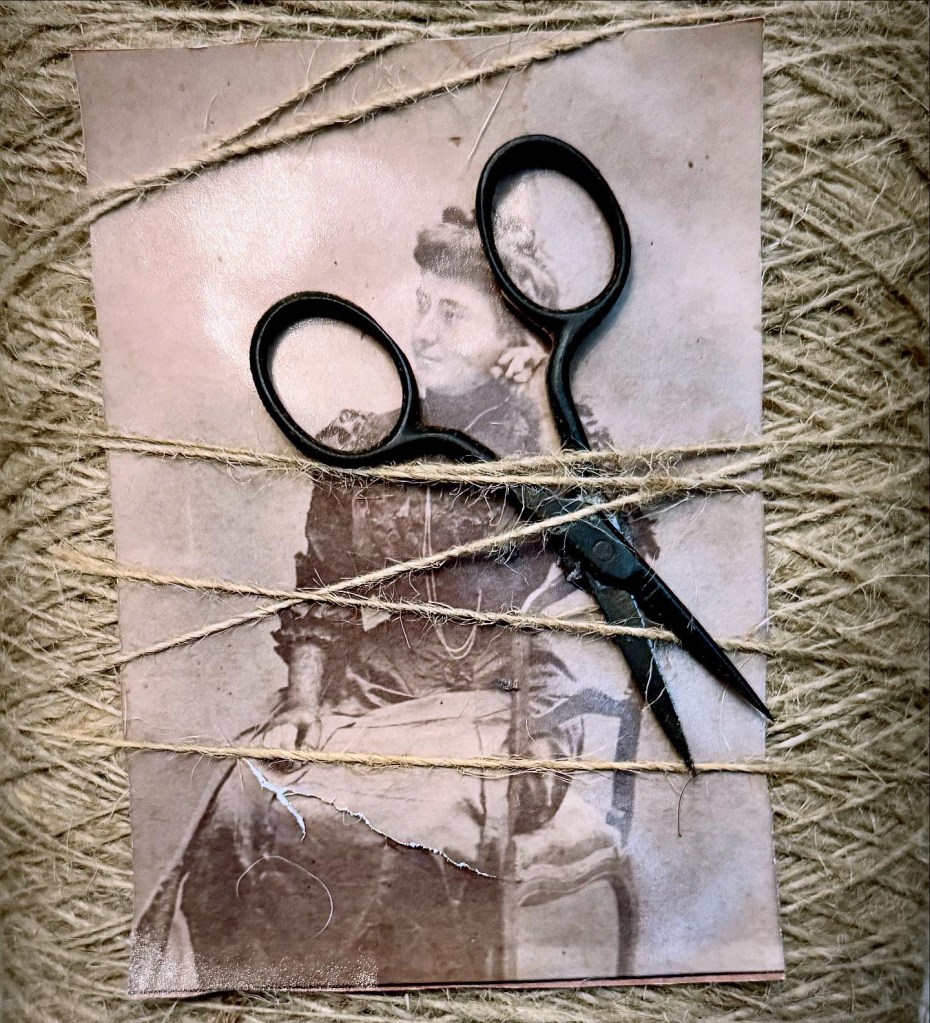
Elena’s studio is like an anthropological discovery. Generations of family photos are carefully curated within shadow boxes of tiny mementos. Ancient sewing machines share space with a framed collection of scissors, and the image of an aunt who taught Elena to sew. Against the wall, a tall curio cabinet is an apothecary of seeds, bark, burnt bread and chiles – all elements that Elena uses for the natural pigments in her work. And everywhere you turn, stories are recorded and histories are drawn, in thread more expressive than a paint brush. Like the lives she represents on canvas and cloth, nothing is perfect. Elena uses embroidery to move beyond ornament; black threads often wound-like on the second skin.
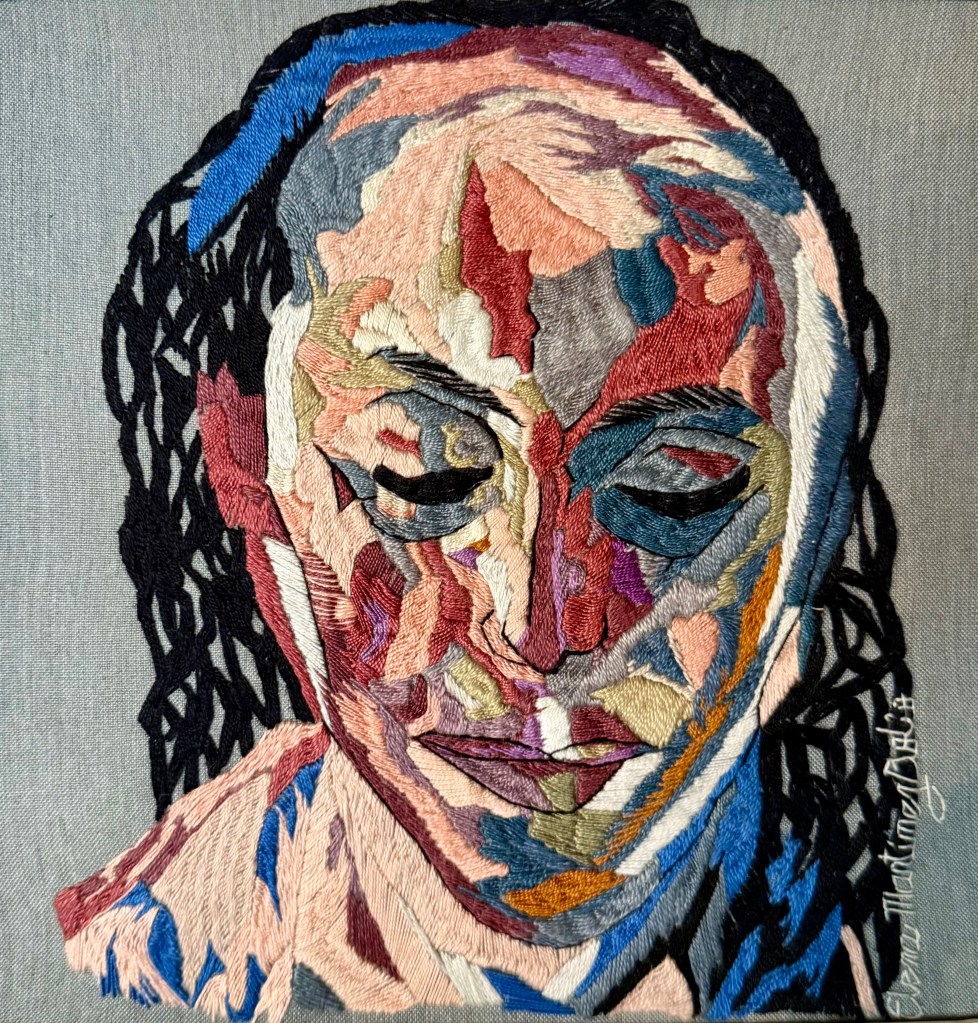
One remarkable aspect of Elena’s work is that she does not draw out her images; it’s as if the stories move through her and onto the fabric, stitch by imperfect stitch. From large scale tapestries and installations exhibited throughout Mexico, to intricate notes on the backs and seats of covered chairs in her workshop, her stories capture the Maya culture, both in beauty and hardship. When she encounters suffering, Elena transforms that collective pain into a language of compassion. In her hands, cloth is never mere fabric, but testimony that invites others to bear witness. She cannot look away, and neither can we.
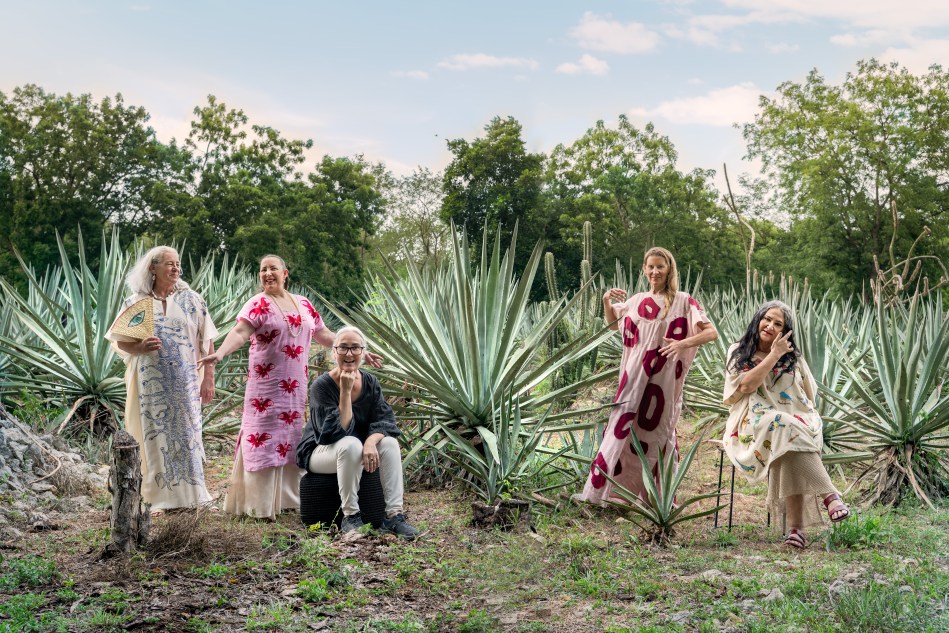
Tactile Resistance was published in the Hacienda Issue of Yucatan Magazine in November 2025. Many thanks to Creative Director and Photographer Patricia Robert and Lee Steele, Editorial Director, for the challenge to capture these five amazing women in under 500 words! Much gratitude to (l to r) Marjorie Skouras, Marcela Diaz, Josefina Larrain, Angela Damman, and Elena Martínez Bolio – for giving me your time and trust. I encourage readers to find out more about these talented humans via their websites.
 yomimiyo
This is gorgeous writing….and such beautiful work…well done!!!!